Industries

Napoleon Guidance by Project Type

Use this guided view to match hearth and outdoor cooking challenges—custom home gathering rooms, hospitality lounges, multifamily clubs, and outdoor kitchens—with Napoleon systems that fit fuel, venting, and guest flow.

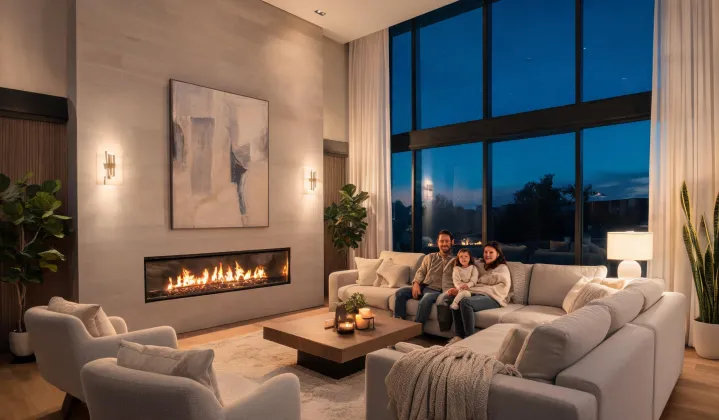
Custom home living room with Napoleon gas fireplace

Custom Homes

Primary suites and great rooms need fireplaces that look intentional and heat evenly without overheating glass. Direct-vent gas inserts and linear units keep VOC emissions conversations grounded while delivering evening ambiance.

  • Match BTU bands to room volume
  • Plan mantel clearances early
  • Document UL / CSA sheets for inspectors
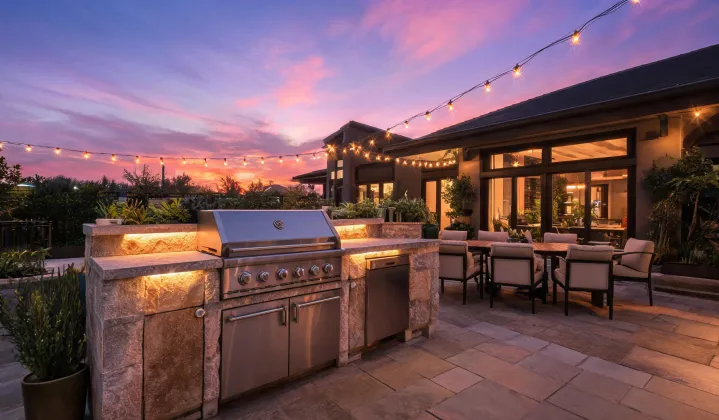
Outdoor kitchen island with Napoleon built-in grill

Outdoor Living & Kitchens

Built-in grills and patio heaters extend seasons when airflow and cover height are planned. WAVE burner zones help hosts sear and finish sides without crowding every guest around one hot spot.

  • Covered vs open patio airflow checks
  • Island cutouts and gas line sizing
  • Heater placement for seating comfort
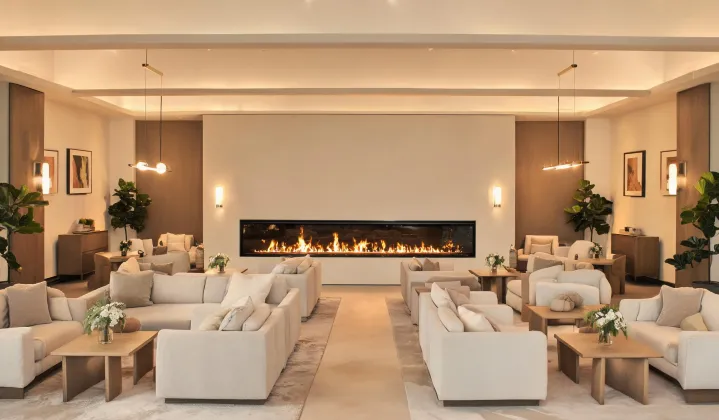
Hotel lounge with linear fireplace

Hospitality Lounges

Guests notice flame presentation and noise more than brochure BTU charts. Linear fireplaces and quiet HVAC accessories help lobbies feel premium while facilities teams keep service windows predictable.

  • Glass temperature comfort near seating
  • Service access for commercial hours
  • Finish durability under daily use
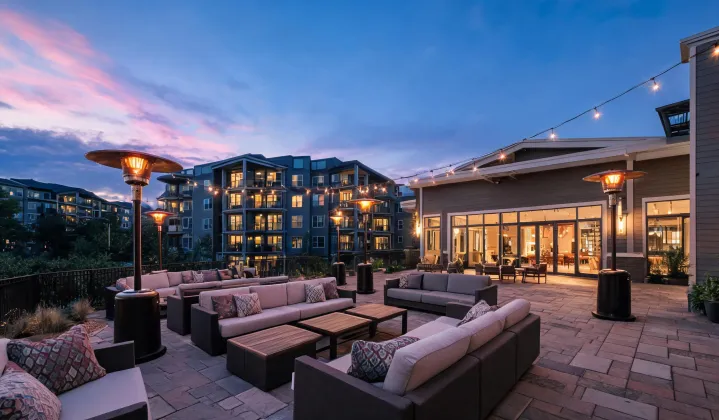
Multifamily clubhouse patio with heaters

Multifamily Clubhouses

Amenity decks need heaters and outdoor cooking that survive shared use. Specify impact-resistant surrounds, clear operating instructions, and fire resistance rating notes that satisfy property management and local code reviewers.

  • Shared-use durability expectations
  • Resident-safe clearances
  • Dealer support for multi-unit rollouts

Selection guide

Checklist: Gas Convenience or Wood Ritual?

Owners often face the same trade-off builders see with natural stone versus engineered surfaces: authenticity and ritual versus consistency and lower daily maintenance. Use this checklist before you lock fuel type.

Choose gas when…

  • You want push-button start for weeknight dinners
  • Chimney conditions favor sealed direct-vent paths
  • Indoor air goals prioritize controlled combustion and easier glass care
  • Hospitality staff needs predictable flame shows every evening

Trade-off: you lose wood crackle and scent. Gain: cleaner routine and tighter moisture vapor transmission control when envelopes are tight.

Choose wood when…

  • Ritual and aroma are part of the home’s identity
  • A sound chimney liner and clearances already exist
  • Owners accept ash handling and seasonal flue cleaning
  • Local fuel supply is steady and storage space is available

Trade-off: more maintenance and creosote vigilance. Gain: a sensory experience gas cannot fully replicate—similar to why some clients still prefer natural materials over engineered consistency.

Practical Limits We Disclose Up Front

Covered patio airflow

High BTU grills under low roofs can overheat surrounds and trip comfort limits even when combustion is correct. We may recommend a lower BTU band or extra vent openings rather than force a Prestige island into a shallow cover.

Insert depth & liner condition

Fireplace inserts cannot fix a failed liner or an opening that is too shallow for glass-front clearances. Chimney inspection comes before aesthetics; dimensional stability of stone surrounds still depends on installer shimming and heat-cycle expectations.

Green credits vs budget

ENERGY STAR partner pathways and LEED documentation help some projects, but not every SKU qualifies for every credit. When budgets tighten, we prioritize CSA/UL safety sheets and usable BTU ranges over chasing every green checkbox.

Not Sure Which Application Path Fits?

Share building type, fuel preference, and whether green-building credits or budget caps drive the decision. We will outline Napoleon options with honest limits—no universal “perfect” claim.