
“We shortlisted three Napoleon Prestige grill configurations for a covered outdoor kitchen. The WAVE zone explanation helped the owner stop guessing which island depth would actually cook for twelve guests.”
Maya Chen Residential designer, Austin
From WAVE burner heat zones to fireplace inserts sized for real openings, Napoleon helps homeowners and builders choose hearth and outdoor cooking systems with clear BTU ranges and CSA/UL documentation paths.
Specify grills, fireplaces, and HVAC accessories for the rooms and patios where BTU output, fire resistance rating notes, and everyday comfort matter most.
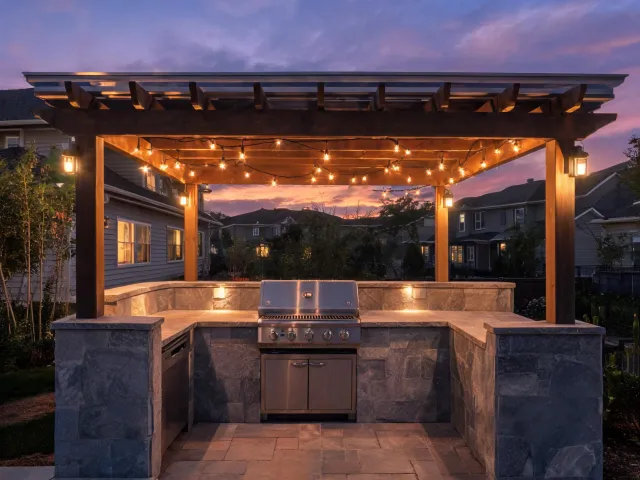
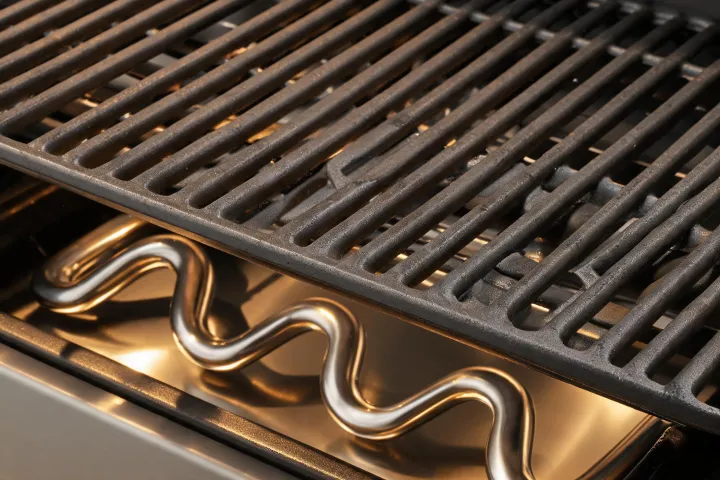
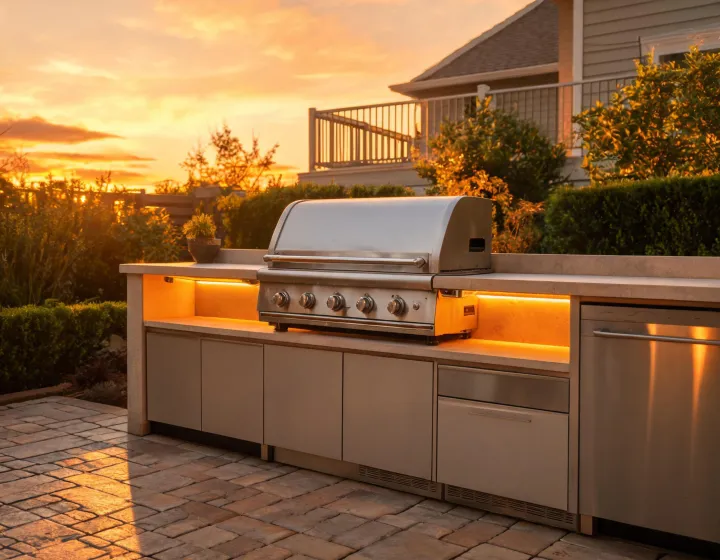
Napoleon gas grills use WAVE burner geometry to create usable hot and cooler zones so steaks sear while vegetables finish gently. Dealers can talk through BTU/hr bands—often 40,000–80,000 BTU/hr depending on the model—so outdoor kitchens match patio size instead of oversizing every island.
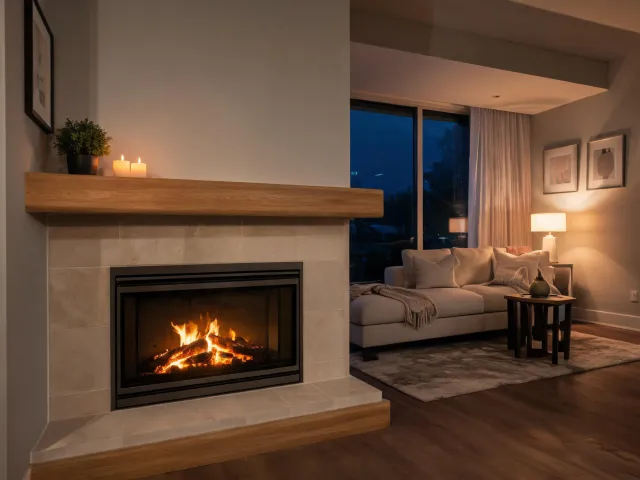
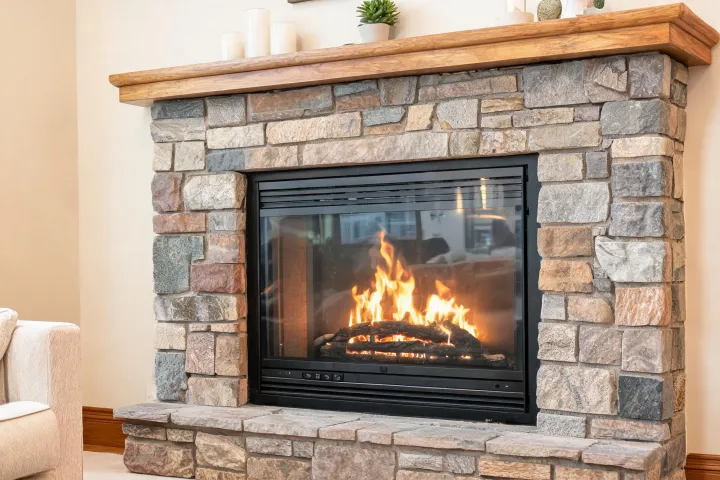
Napoleon fireplace inserts and wood stoves help remodel teams upgrade older hearths without rebuilding the entire chimney chase. We coach on clearances, glass temperature comfort, and when a direct-vent path is wiser than an atmospheric vent for moisture vapor transmission and indoor air quality goals.
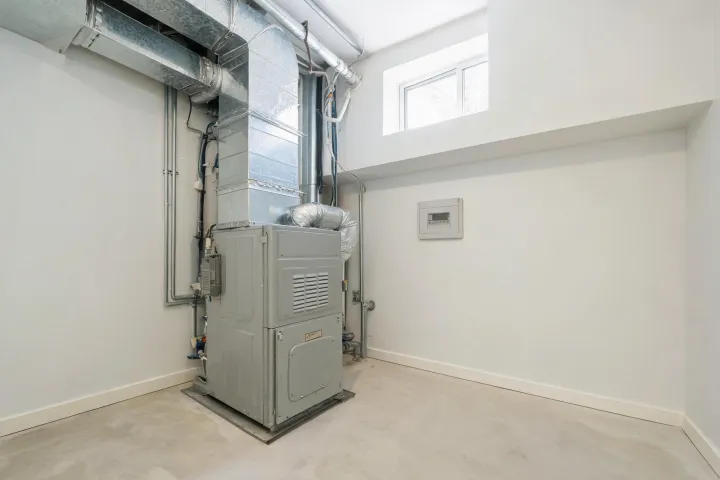
Beyond fire and flame, Napoleon HVAC accessories and furnaces support whole-home comfort. Specifiers can align ENERGY STAR partner pathways, CSA certification documentation, and UL Listed product notes so mechanical submittals stay coherent with the fireplace and outdoor kitchen packages on the same project.
“We shortlisted three Napoleon Prestige grill configurations for a covered outdoor kitchen. The WAVE zone explanation helped the owner stop guessing which island depth would actually cook for twelve guests.”
Maya Chen Residential designer, Austin“Our 1980s masonry opening took a Napoleon gas fireplace insert without a full rebuild. Clearance drawings and UL listing notes made the inspector conversation straightforward.”
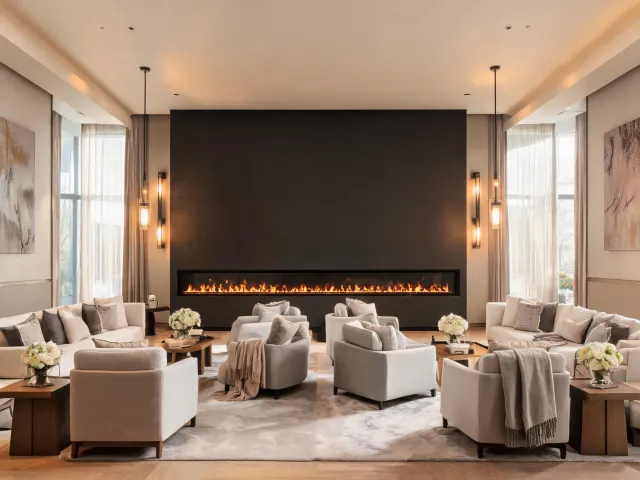
Derek Holt Remodel contractor, Columbus“For a boutique hotel lounge, the linear fireplace read as hospitality—not a gadget. Guests linger longer, and the facilities team has a documented service path.”
Priya Nair Hospitality FF&E lead, ChicagoStart with guest count and whether the grill sits under a roof. Many residential Napoleon gas grills land between 40,000 and 80,000 BTU/hr; covered islands often need more airflow planning than open decks. Share patio dimensions and we will suggest a band—not a one-size slogan.
Often yes. Inserts can restore usable heat and a sealed glass front when the masonry opening and flue path are compatible. We still recommend a chimney inspection for creosote, liner condition, and fire resistance rating expectations before final selection.
Gas simplifies daily use and cleaner glass maintenance; wood delivers ritual and scent. Remodel schedules often favor direct-vent gas when mechanical rooms are already open. Natural-vs-engineered debates apply less here than venting reality and fuel preference.
Select models participate in ENERGY STAR partner pathways, and documentation packages can include CSA certification and UL Listed references. Green premiums versus budget reality still apply—tell us which LEED or local energy credits matter so we prioritize the right sheets.
Limited lifetime coverage appears on select components such as certain cooking grids and burners; other parts carry term warranties. Always confirm the sheet for your exact model—marketing pages are not a substitute for the warranty card in the carton.
Use our contact form with your city and preferred product type. We introduce local dealers who stock Prestige, Rogue, and fireplace lines, then let you compare floor models for heat feel and finish before you buy.
Tell us about your patio, fireplace opening, or hospitality lounge. We will help shortlist Napoleon grills, inserts, and climate accessories with practical BTU and venting notes.